Meet Laerke Ryom, Patricia Urquiola’s pick for the most influential designer of the next 20 years

Photography by Peter Vinther (unless stated otherwise)
Partnership content
In partnership with:

Architect and designer Patricia Urquiola has chosen fellow multidisciplinary Laerke Ryom as her pick for Dezeen’s 20×20 project, in partnership with Kohler. In this interview, Ryom discusses her innovative work and how it’s rooted in Danish design traditions.
Ryom, who is based in Copenhagen, first came to many people’s attention as one of the co-founders of the design community Ukurant.
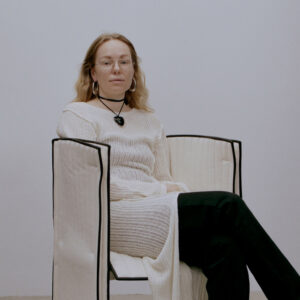
Together with fellow founders Josefine Krabbe Munck, Kamma Rosa Schytte and Kasper Kyster, Ryom showed her work as part of its first exhibition at Danish design week 3 Days of Design in 2020, and Ukurant quickly became a recurring highlight of the design event.
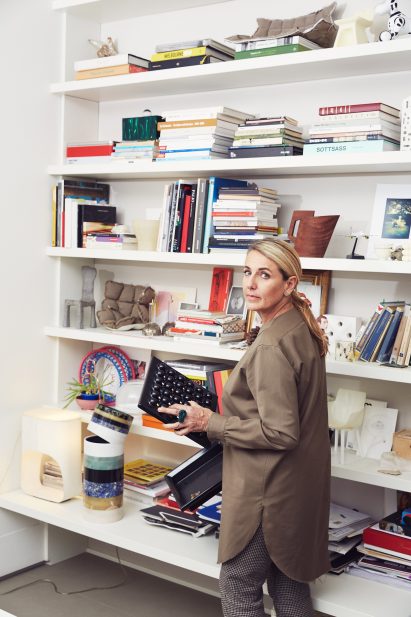
Since graduating from the Royal Academy of Fine Art in Copenhagen’s master’s program in furniture and object in 2022, Ryom’s tactile designs have continued to evolve, and she has worked with a range of materials and products.
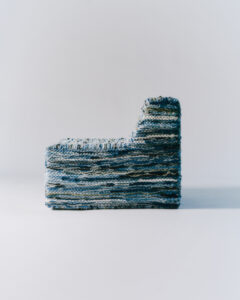
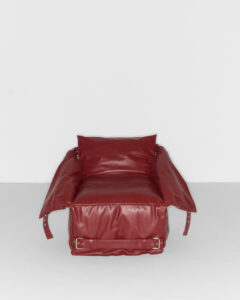
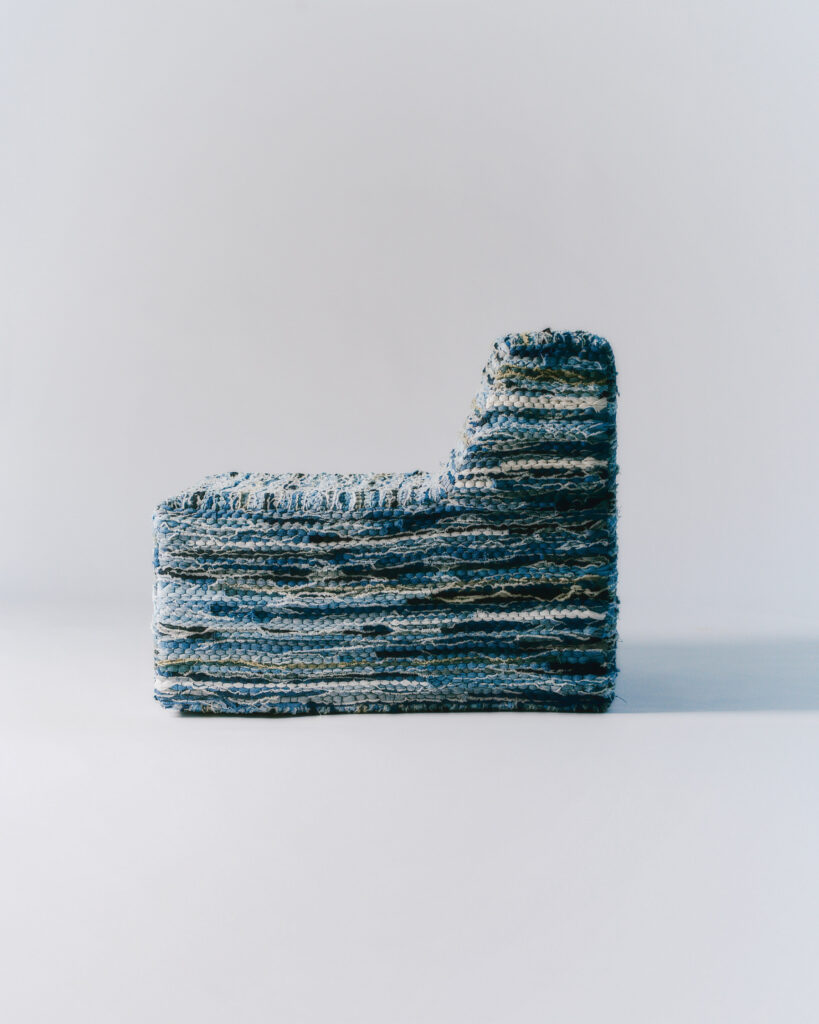
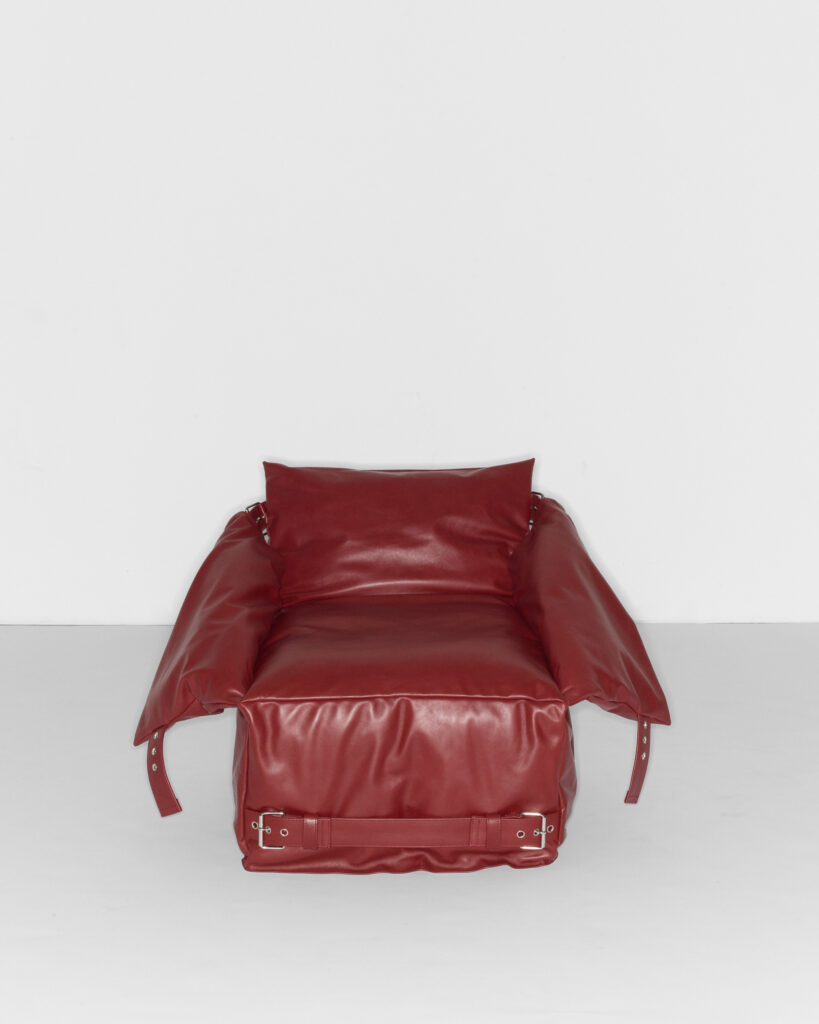
For her collection Blå, she made handwoven denim upholstery out of worn-out jeans, while the Buckle chair, made with furniture brand Fredericia, resembles a leather jacket.
“I find very interesting the way she moves naturally between furniture and textiles, starting from discarded materials and giving them a new logic through simple gestures,” Urquiola said of why she chose Ryom.
“There is something light in the way she works. Her work feels open and still very much in evolution.”
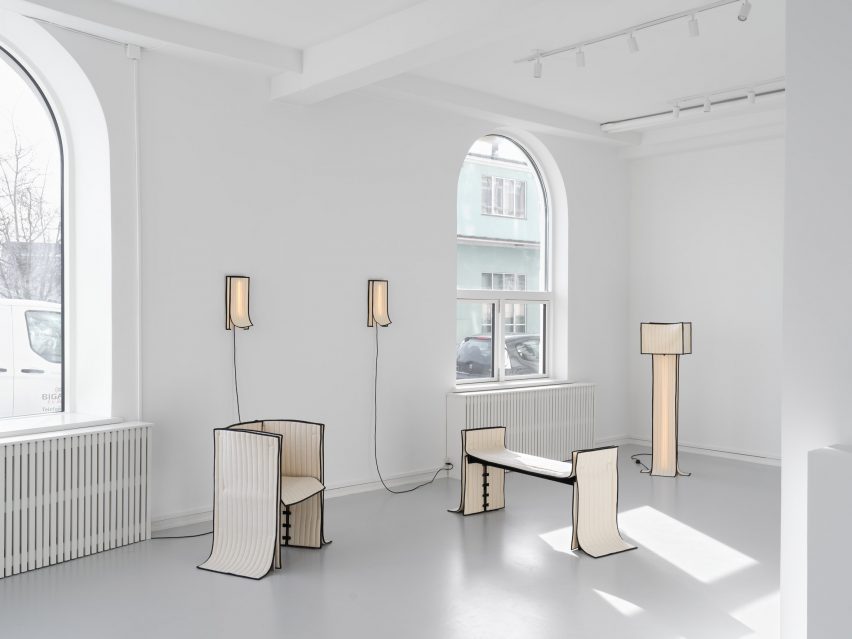
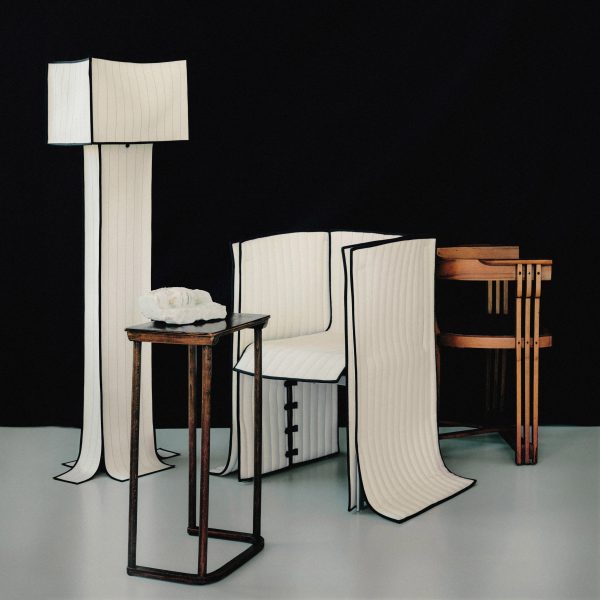
This experimentation has become something of a signature for Ryom, whose latest exhibition, Raiments, was a sleek exploration of how upholstery could almost become a furniture piece in itself.
To the designer, her work now is in some ways a continuation of the projects she worked on during her time at the Royal Academy.
“During my studies, I was investigating different materials and different typologies, which I actually still think I’m kind of doing – I don’t see myself as limited to one material,” Ryom told Dezeen.
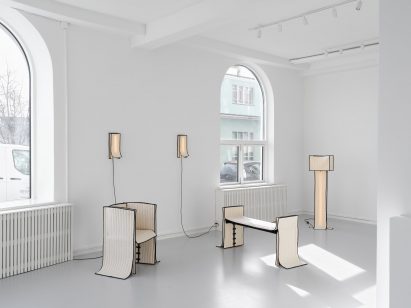
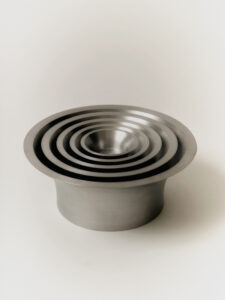
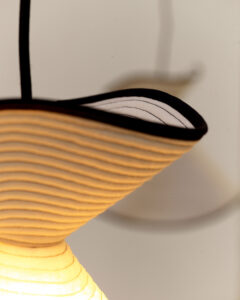
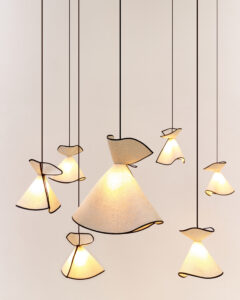
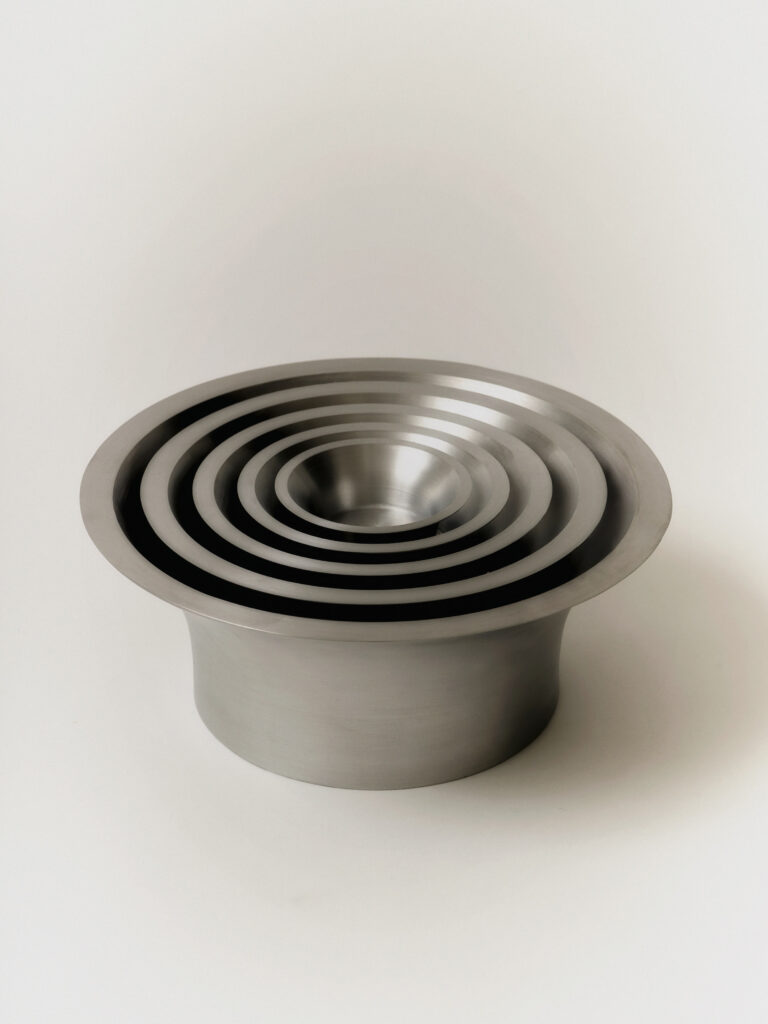
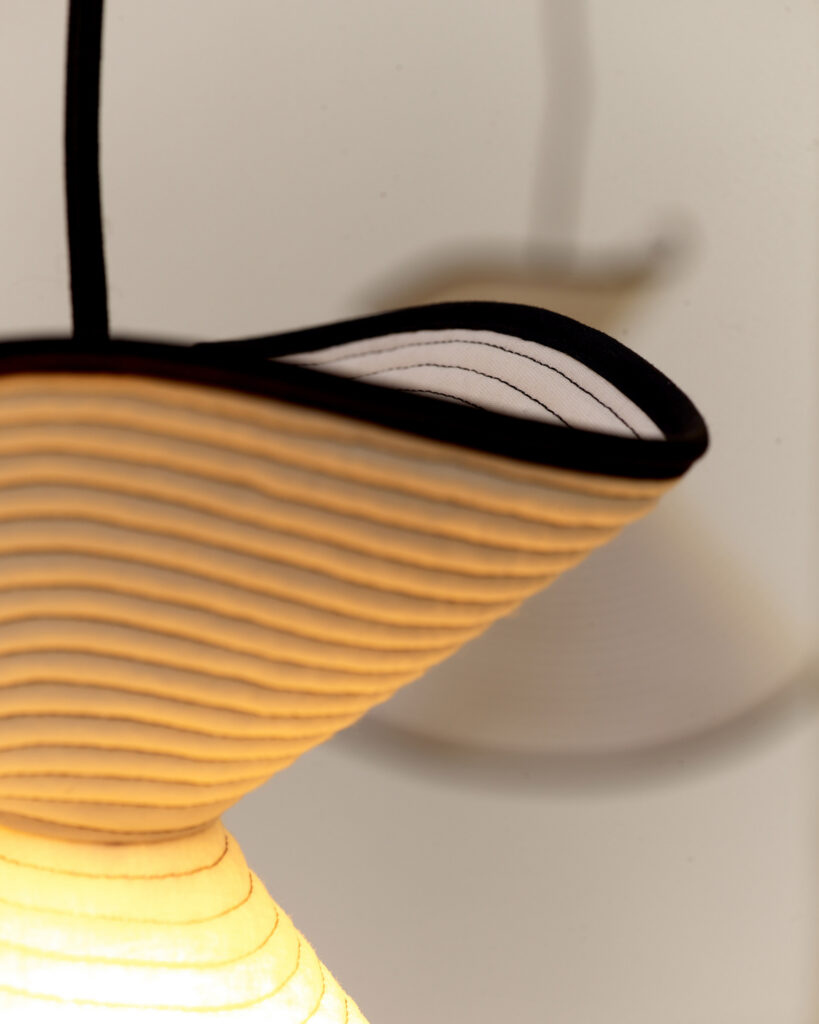
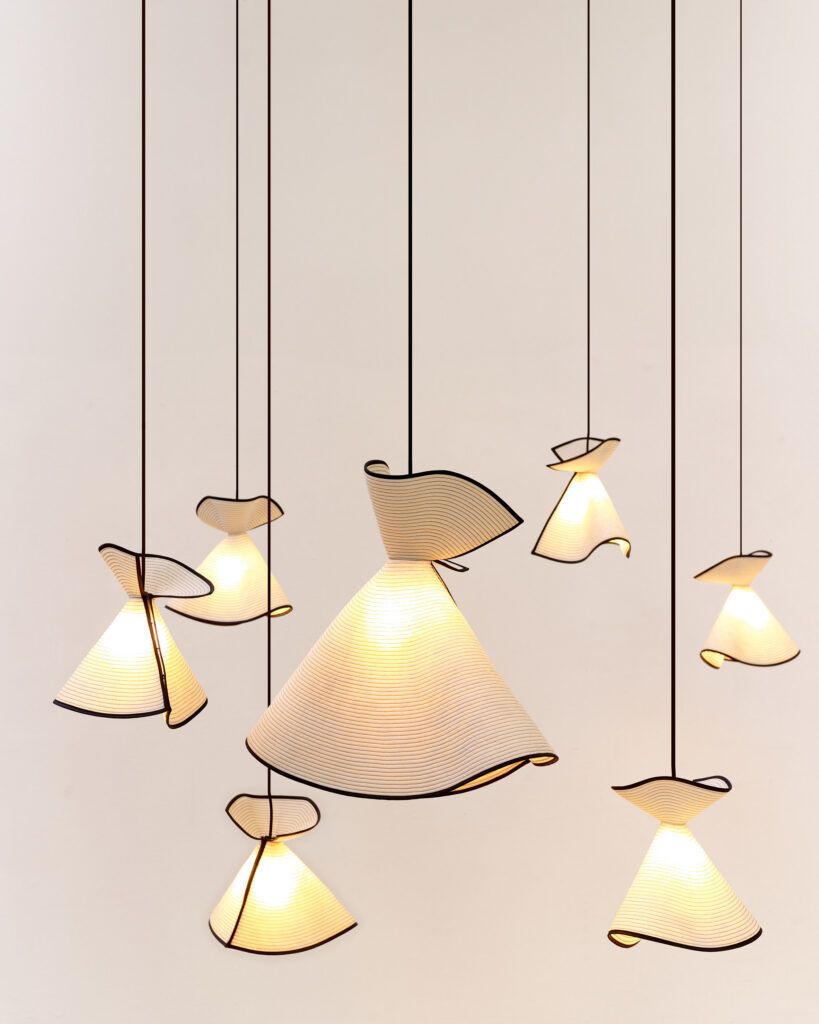
While she “really strongly identifies as a furniture designer”, Ryom has also designed smaller products, such as metal bowls for the Bread & Butter exhibition in Copenhagen and quilted lamps.
To her, function is always at the forefront, and Ryom believes that even details that appear to be purely decorative have a function if they tell a story.
“Even when I’m doing collectible things for galleries, I’m always thinking of the functionality of the pieces,” she explained.
“Even if you can say, ‘[what’s functional] about doing a little skirt on a chair’, as on the Raiments chair, it tells a story; a story of the cover being loose, something that is its own thing, [separate] from the frame. For me, that’s still a function or a means to an end.”
Her aim is to create pieces that straddle the line between collectible and functional design; something that is artistic and yet commercial enough to someday go into production.
“I want it to be something where the distance between the categories disappears, and they become a shared thing,” Ryom explained.
“That’s something I think a lot about, that the collectible design and the artistic work I do should have a little sprinkle of something that you could see in production.”
The collectible design and artistic work I do should have a little sprinkle of something that you could see in production
The idea of giving beauty to everyday objects, rather than creating pieces that are purely functional or purely aesthetic, is one that has deep roots in the Scandinavian design tradition.
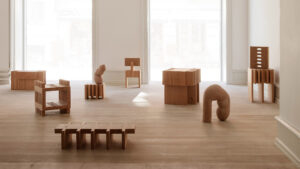
While Ryom’s pieces might not be the pale-wood designs usually associated with Danish design – though she has worked in wood, using offcut wooden pieces to design furniture for Ukurant in 2023 – she sees herself as part of this tradition.
“Even if people don’t think that what I do looks like typical Danish design, I feel like it’s completely rooted and very fundamentally based on the principles of the Danish design tradition,” she explained.
“I view myself as someone who is not in opposition, but who is developing or following along [with it].”
While her own pieces in the past have so far mostly been made in smaller quantities, Ryom sees positively on the current trend of big brands, such as IKEA and Disney, working with younger designers and mass-producing their work.
She believes it helps to spread knowledge about designers to a public that isn’t always aware of the people behind the products.
“I think it’s an important thing because what we see, at least here in Denmark, is that the knowledge about designers today, for the general public, is crazy small for a nation that kind of brands itself as a design nation,” Ryom said.
“Talking to my parents, even with them having a designer for a daughter, they’re still trying to figure out ‘what is it that you actually do’?
Inspiration can only take you so far – at some point you need to get working on it, interpret it and experiment with it
Ryom herself, meanwhile, says she sees a big difference between her current work and that of a few years ago. She thinks it comes from “starting to believe in yourself and your intuition, and getting more skilled in your craft”.
But, she also consciously works on developing her ideas and taking them from the initial inspiration stage to the final product.
“Inspiration is something that I stumble upon in my everyday life, but at the same time, it only becomes interesting when I sit down and work with it,” she said.
“Inspiration can only take you so far – at some point you need to get working on it, interpret it and experiment with it and investigate what the substance of the inspiration actually is.”
As someone who’s constantly exploring new materials and ways of designing, Ryom also highlights the importance of collaboration. She says that while she likes doing a lot of the work on her furniture herself, she has also gotten better at reaching out to experts to get input for some of her pieces, including her Enfold chair.
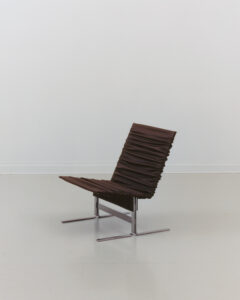
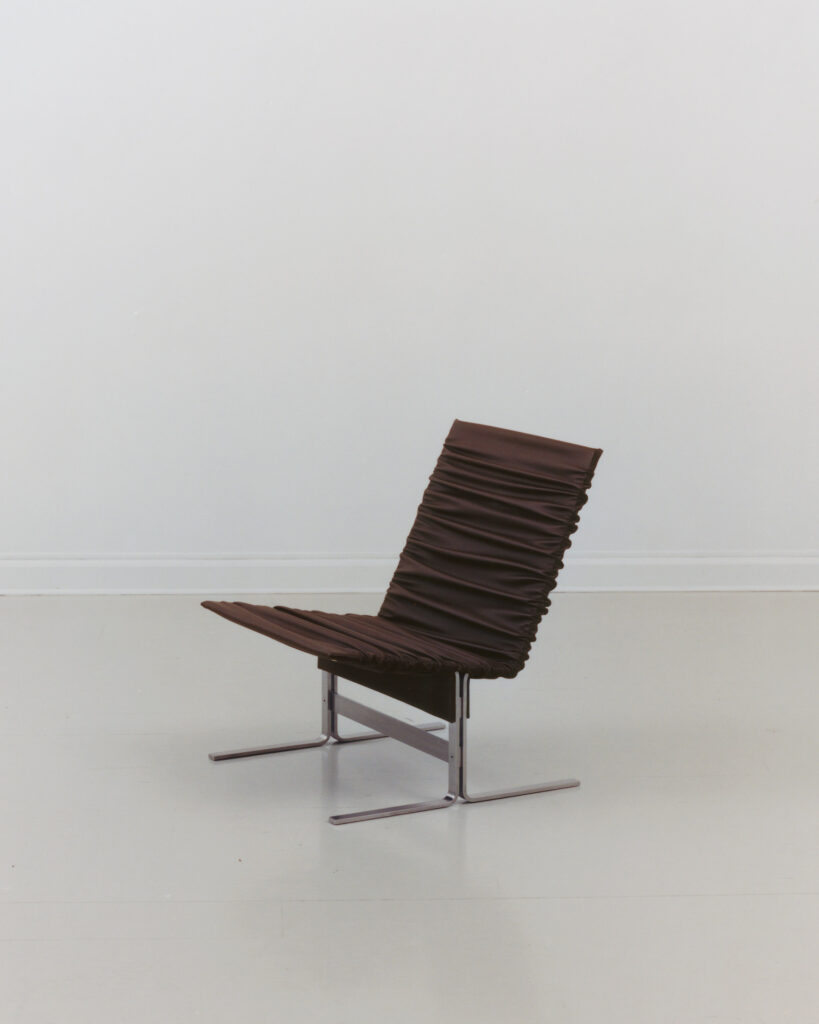
The steel chair is covered in a ruched leather upholstery, held in place by buttons, that creates a very tactile, sculptural seat.
“It did it all myself, but I reached out to a fashion designer who does a lot of leather bags, and I could talk to her and ask ‘how would you do the finishing here, or what kind of tool would you use there?'” she said.
“I really like figuring things out myself and doing it myself, but seeking the knowledge of those people who have really done the craft.”
Being chosen by Urquiola meant a lot to Ryom, who really admires the Spanish designer.
“It was actually a little surreal, because she is someone that I look up to,” Ryom said. “When you can say anyone in the world, I feel very, very honoured that she pointed at me – that’s a huge thing.”
-

20×20
To celebrate Dezeen’s 20th birthday, we asked 20 of the most influential architects and designers of the last 20 years to identify someone they think will have a major impact in the next 20 years. Over the next four weeks, we’ll reveal their picks in a series of profile interviews.
Photography by Peter Vinther (unless stated otherwise)
Read more
Recommended stories
Laerke Ryom creates furniture “tailored like garments” for Raiments exhibition
Ten DesignMarch highlights that encapsulate Iceland’s eclectic creative scene
The Mindcraft Project showcases works that “lie in-between craft and design”
The Mindcraft Project spotlights 10 Danish designers “unafraid” to tread new ground
Meet Linde Freya Tangelder, Nendo’s pick for the most influential designer of the next 20 years
Stockholm Creative Edition hopes to wake up Sweden’s “sleepy” design industry
Erwan Bouroullec’s crumpled Tyvek sofa among works created for Værktøj 3 exhibition